
Laundry lost or ruined my clothes in Bali: what to do
The bag comes back and something is wrong. A shirt is missing, a linen dress is two sizes smaller, every white t-shirt is now a shade of grey. It is one of the most common laundry stories in Bali. Here is what to do, calmly and in order, and what you can realistically expect.
First hour: document, do not argue yet
What you do in the first hour decides whether you get anything back.
- Photograph everything before you touch it. The whole delivery on the bed, then each damaged item flat, then close-ups of the shrinkage, dye marks or holes. Include the laundry's bag or tag in at least one photo.
- Find the receipt or the chat. A weight, a date, a price. If you paid by transfer, screenshot the transaction.
- Make a list of what is missing. Be specific: "one white linen shirt, long sleeve, size M". If you remember the last time you saw it, note that too.
- Do not wash, iron or "fix" anything yet. A shrunk item can be worsened by heat; a dye stain can be set by hot water. Keep the evidence as it is.
Message the laundry calmly and specifically
A street laundry in Bali runs on a phone and goodwill. Anger closes the conversation. A clear message opens it.
Send one message with: the date of the order, the receipt photo, the photos of the damage, the exact list of missing items, and one clear request. Something like: "Hi, I collected my laundry yesterday (receipt attached). One white linen shirt is missing and this dress came back shrunk (photos attached). Could you check whether the shirt is still with you, and tell me what you can do about the dress?"
Then wait a few hours. Missing items are found more often than you would think: they were folded into another customer's bag and come back the next day.
What is realistically recoverable
Be honest with yourself about what can be saved, so you know when to stop.
Missing items. Recoverable if you act fast. After 48 hours, the chances drop sharply.
Shrunk cotton or wool. Partly recoverable. Soak in cool water with a splash of hair conditioner, then gently stretch the damp fabric back to shape and dry it flat. Expect to get back a fraction of the lost size, not all of it.
Greyed whites. Usually recoverable if the cause is mixed loads and detergent build-up. A proper re-wash, whites only, with a thorough rinse, brings back most of the brightness. This is one of the things people send to TRAST after a bad experience elsewhere.
Colour bleeding (pink whites, blue streaks). Sometimes recoverable if treated before any heat touched it. Once ironed or tumble-dried hot, the dye is set.
Stretched, melted or crackled synthetics. Not recoverable. Swimwear elastic that has gone slack, activewear with a shiny melted patch, a printed t-shirt whose print cracked in a hot dryer: these are done.
Holes and tears. Not recoverable as laundry; a tailor might patch them.
If an item might be saved, send us a photo. We look at stains and discolouration daily and will tell you honestly whether it is worth trying.
Why it happens: the anatomy of a lost shirt
Understanding the cause helps you avoid the next one.
- Mixed loads. Many small laundries wash several customers' clothes together to fill a machine. Sorting at the end is done by memory. This is how your shirt ends up in someone else's bag in Seminyak.
- No inspection. Nobody reads the label, so "hand wash cold" goes in at 60 degrees with the towels.
- Hot drying of everything. Speed sells. Hot tumble drying is the single biggest cause of shrinkage and cracked prints.
- Strong chemicals. Chlorine bleach on a whole load makes it look clean fast and yellows and weakens the fabric.
- No packing per order. Folded piles on a shelf, matched to a name by hand.
None of this is malicious. It is just what a laundry at 15,000 IDR per kg has to do to stay open.
Prevention: how to never write this message again
- Use the checklist. Before you use any laundry, ask whether they wash orders separately, inspect items and how they dry. Our guide on how to choose a laundry in Bali has the questions word for word.
- Send a test order first. One white item, one dark, one delicate, one towel. Judge the result before sending your whole wardrobe.
- Keep the irreplaceable at home. A favourite vintage shirt or a hand-dyed sarong should go only to a laundry you already trust with delicates.
- Photograph the pile. With a street laundry, a quick photo of the bag contents takes ten seconds and settles every argument.
How TRAST prevents it
We built TRAST after exactly this experience: our founder's clothes came back stained, greyed, faded, damaged, and sometimes not at all. So the process is designed around not losing and not ruining things.
- Every order is handled separately, from the moment it leaves your villa in Canggu or your hotel in Nusa Dua to the moment it comes back. It is never in a machine with anyone else's clothes.
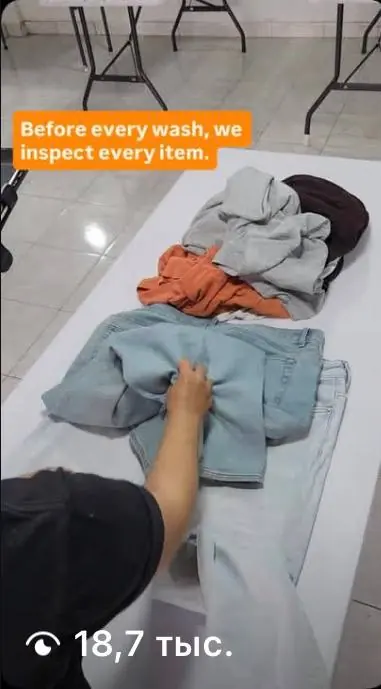
- Every item is inspected before washing. We check labels, pockets, stains and weak seams, and choose the temperature and drying method per fabric. See how the wash, dry, iron and fold process works.
- Whites with whites, delicates in the air. No hot drying of things that cannot take it.
- Organic products only, with no chlorine, phosphates or optical brighteners, so fabrics keep their colour and strength wash after wash.
- Packed per customer and delivered within 24 hours.
And because we inspect everything, you do not need to count, list or photograph anything. Put it in a bag; we take it from there.
When to let it go
Some clothes will not come back and some cannot be fixed. Once you have documented, messaged and waited, decide how much more of your holiday the item is worth. Leave a factual review so the next person knows, choose a laundry that answers the checklist, and let the island give you a better week.
Read next: how to choose a laundry in Bali you can trust and why laundry smells musty in Bali and how to fix it.